Triple Your Match Odds With a Super Like, When to Hold Back
Triple Your Match Odds With a Super Like, When to Hold Back
A Super Like is a highlighted swipe that flags you as more than a casual right swipe. It jumps your profile to the front of the recipient’s deck with a blue star and a notification, and it noticeably raises your odds of a match when you use it on the right person. Send it too often, though, and that “you stand out” signal starts to read as noise instead of interest.
TL;DR:
- Super Likes prioritize your profile in the recipient’s deck and send a notification, increasing match chances when used on genuinely interesting profiles.
- Each Super Like costs one use regardless of the outcome, with free accounts limited to one per day and paid plans offering more.
- The feature is most effective when used sparingly on profiles that truly stand out and paired with a specific conversation starter.
- Overusing Super Likes or applying them to uninterested profiles can signal desperation and reduce their effectiveness.
- Similar interest signals exist on other dating apps, but usage limits and notification behaviors vary, so check each platform’s rules.
Table of Contents
- How Super Like Works: UI Cues, Prioritization, and Consumption Rules
- When Should You Actually Use a Super Like?
- Does a Super Like Actually Improve Your Match Odds?
- How Many Super Likes Do You Get, and How Do You Get More?
- When a Super Like Crosses the Line Into Uncomfortable
- Do Other Dating Apps Have Their Own Version of Super Like?
- A Short Take on Working Super Likes Into Your Strategy
- Sources
- FAQ
How Super Like Works: UI Cues, Prioritization, and Consumption Rules
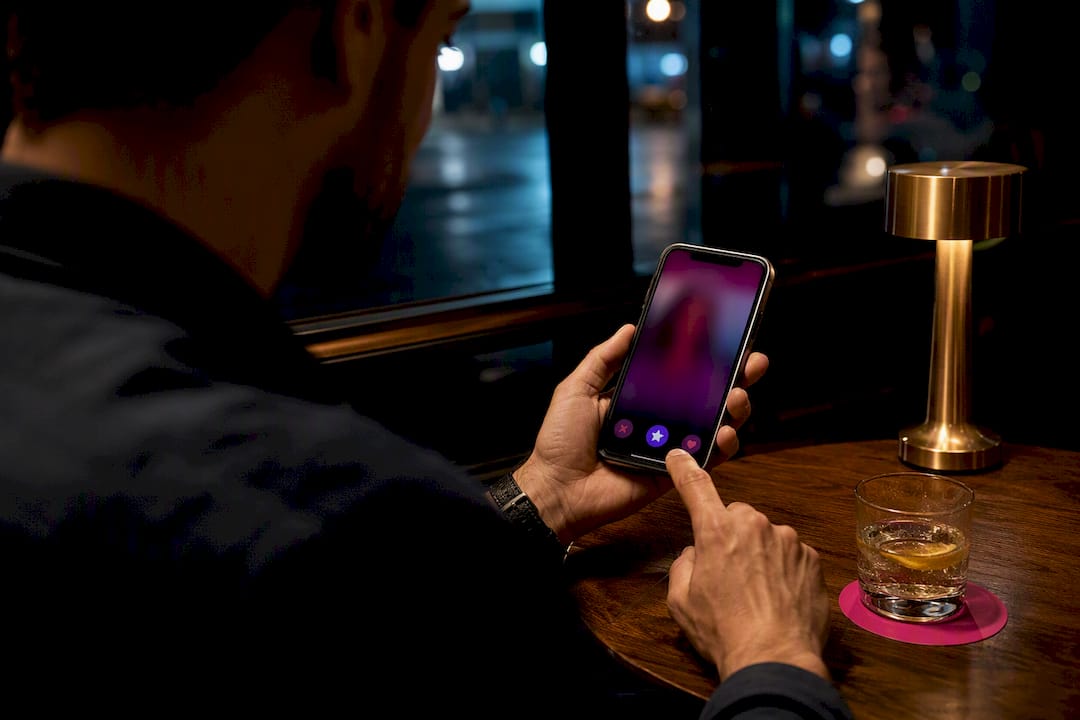
Tap the blue star instead of swiping right, and the person sees your profile with a blue border, plus a notification letting them know someone Super Liked them before they even swipe. That is a deliberate design choice: Tinder wanted the gesture to read as the digital equivalent of walking up and saying hello rather than a silent gamble buried in someone’s Tinder queue.
The mechanics behind that visibility bump matter more than most people realize:
- Your profile gets prioritized in the recipient’s deck, appearing ahead of standard likes so it is one of the first cards they see.
- Free accounts get a limited number of Super Likes per day; paid subscription tiers unlock additional Super Likes, depending on the plan.
- A Super Like is spent the moment you send it, win or lose. Tinder’s own Help Center confirms allowances reset daily and paid tiers stack on top of the free baseline.
- No match, no refund. The gesture registers as used regardless of the outcome.
That last point trips people up constantly. A Super Like is not a “hold” on interest, it is a one-time signal boost you cannot take back once it is sent.
When Should You Actually Use a Super Like?
Save it for moments where a normal swipe would undersell your interest. A profile that mentions the same niche hobby you’re into, someone whose bio signals they’re selective about matches, or a person you’d genuinely regret missing are the situations where the extra visibility pays off. Used that way, it reads as confident. Used on every third profile, it reads as desperate, and recipients notice the difference fast.
A few habits keep the gesture working in your favor:
- Reserve it for profiles that genuinely stand out to you, not ones you’re on the fence about.
- Never Super Like the same person twice; if it did not land the first time, repeating it won’t change the outcome.
- Skip the mass approach entirely. Burning through a whole allotment in one session signals volume, not selectivity.
- Make sure your own profile gives them something to respond to once they see the star.
Pro Tip: Pair the Super Like with a bio line that gives the other person an easy conversation starter, something specific like a shared interest or a question about one of their photos. The star gets their attention; the hook gets the reply.
Does a Super Like Actually Improve Your Match Odds?
Tinder’s own launch data backs the confident-use theory with real numbers, not just anecdote.
By the numbers: Tinder reported that members were three times more likely to match with someone they Super Liked, and that conversations started through a Super Like ran about 70% longer than average, according to Business Insider’s coverage of the launch.
Those figures come with an asterisk worth taking seriously. People tend to reach for a Super Like when they are already fairly confident in a match, which skews the sample toward stronger profiles and clearer mutual interest to begin with. TechCrunch’s analysis of the feature’s launch made a similar point: effectiveness tracks closely with how selectively someone uses it, and firing off Super Likes indiscriminately tends to blunt the effect.
What that means in practice:
- The visibility boost is real and measurable, but it amplifies an already-good profile more than it rescues a weak one.
- A Super Like from a thin, photo-only profile may get noticed and still go nowhere once the recipient clicks through, a pattern SwipeStats has flagged in its review of the feature.
- Treat the star as a nudge that raises your odds, not a mechanism that guarantees a match.
How Many Super Likes Do You Get, and How Do You Get More?
Every free account gets one Super Like per day, refreshed on a rolling basis, a baseline Tinder set at launch and has kept largely intact since. Paid subscription tiers raise that daily count, and you can also buy standalone bundles directly through the app.
- Open your app settings, tap the Super Like icon, and choose either a subscription upgrade or an à la carte bundle.
- Bundles apply immediately and stack with any subscription allowance you already have.
- Once used, a Super Like is gone. Tinder’s refund policy treats it as a consumable, so there is no walk-back after you tap send.
Budget accordingly: if you only get one a day, spend it on the profile that actually made you pause your scroll, not the first decent one you see that morning.
When a Super Like Crosses the Line Into Uncomfortable

Intensity cuts both ways. The same star that reads as confident interest to one person can read as pressure to another, especially paired with an aggressive follow-up message the moment a match lands. A Reddit thread on the feature shows exactly this split: some users find it flattering, others find it unsettling when it’s not backed by a respectful approach afterward.
A few boundaries keep the gesture on the right side of that line:
- Send one Super Like per person. Repeating it, or Super Liking someone who already passed on you elsewhere, reads as fixation rather than interest.
- Let the match happen before ramping up message intensity. A Super Like earns you visibility, not an entitlement to a fast reply.
- Treat the first message after a match as an opener, not a demand for one. Consent-minded framing means checking their pace, not setting yours.
- Platforms that emphasize mutual, consent-based contact before messaging even opens, the kind of structure Swingersuk’s ID verification approach is built around, tend to cut down on exactly this kind of pressure dynamic across dating and lifestyle communities generally.
Pro Tip: If someone doesn’t respond to your Super Like within a day or two, let it go. Following up with a second message before they’ve even opened the match reads as pressure, not persistence.
Do Other Dating Apps Have Their Own Version of Super Like?
Most major dating apps have adopted some version of the same idea, a stronger-than-normal-swipe that signals real interest, even though the label and interface details differ from app to app. Bumble, Hinge, and others each run their own take on the concept, with their own daily limits, notification behavior, and visibility rules.
- Check each app’s own help center before assuming the rules match what Tinder does. Allowances, notification timing, and whether the recipient sees who sent it can all differ.
- The underlying etiquette holds regardless of platform: use the stronger signal sparingly, and it keeps its weight.
A Short Take on Working Super Likes Into Your Strategy
Reserve the gesture for the small number of profiles that actually stop your scroll, not every profile that clears some minimum bar. Pair it with a profile and bio that gives the recipient something concrete to respond to, since the star gets attention but your content earns the reply. The feature itself is just a visibility tool. Profile quality and how you follow up after the match still decide whether that attention turns into an actual conversation.
— Daniel
Sources
- Tinder Help Center — Super Like
- Tinder press release — Introducing Super Like
- Business Insider reporting on Tinder Super Like launch data
- The Guardian — Tinder Super Like coverage
FAQ
What Is a Super Like?
A Super Like is a highlighted swipe that puts your profile at the front of someone’s deck with a blue star and sends them a notification before they swipe, signaling stronger interest than a standard like.
Does It Tell Someone If You Super Like Them?
Yes. The recipient sees a notification and a blue border around your profile before they decide whether to swipe, which is different from a regular like that stays invisible until a match happens.
What Does “Super Like” Mean on Bumble?
Bumble uses a similar concept under its own branding and rules rather than Tinder’s exact system, so check Bumble’s own help resources for its specific daily limits and notification behavior.
What Does a Super Like Mean on OurTime?
OurTime and other dating platforms outside Tinder may offer comparable premium visibility features, but exact naming, limits, and notification rules vary by platform, so confirm details directly with that app’s help center.
Is a Super Like Worth Using Every Day?
Only if you have a genuinely standout profile to send it to each day. Tinder’s reported data shows a real boost in match likelihood, but that boost is strongest when the feature is used selectively rather than as a daily habit.