
Keep UK Dating Bills Discreet: Check Your Statement Descriptor First
Keep UK Dating Bills Discreet: Check Your Statement Descriptor First
Yes, you can usually keep a dating charge private by choosing a privacy-first platform and the right payment method. Check the billing descriptor before you pay, pick a neutral payment route such as a virtual card or digital wallet, and read the privacy policy in full. We built our platform around exactly this kind of discretion, pairing verified membership with transparent billing so you know what lands on your statement before you commit.
TL;DR:
- Virtual card numbers and digital wallets offer the best balance of privacy and dispute rights, while prepaid cards provide less flexibility for refunds.
- Carefully review a platform’s billing descriptor before paying, as it appears on your statement and impacts your ability to keep charges private.
- Discreet billing methods reduce visibility but do not eliminate risks, especially if account privacy settings or platform policies are weak.
- Confidentiality is stronger when a platform combines verified identities, mutual interest systems, and transparent billing practices.
- Relying solely on hidden billing is risky; combining it with platform privacy features and dispute procedures offers the most thorough protection.
Table of Contents
- What discreet billing actually means on your statement
- Payment methods and tactics that preserve billing discretion
- How to check billing and privacy before you subscribe
- Regulatory context: what the ICO says about consent or pay
- Why a privacy-first platform matters for discreet billing
- Quick action plan: sign-up and payment checklist
- Comparing discreet billing across dating platforms
- Potential risks and limitations of discreet billing methods
- How to handle disputes or unauthorized charges
- Estimated costs and fees for discreet billing options
- Author perspective: balancing anonymity, safety, and accountability
- How Swingers UK approaches privacy and discreet billing
- FAQ
- Sources
What discreet billing actually means on your statement
Every card charge carries a “descriptor,” the text your bank or card issuer displays next to the amount. There are two versions, and the difference matters if you’re trying to keep a subscription private.
A soft descriptor appears the moment a payment is authorized, often within seconds of checkout. A hard descriptor is the final, settled version that replaces it, usually within a few days, and it’s the one that stays on your statement permanently. Merchants configure this text themselves, typically combining a company prefix with a plan or invoice suffix, and most processors cap the whole string at around 20 to 25 characters, which is why descriptors often look clipped or abbreviated.
A clear, recognizable descriptor is not just a courtesy. It’s also a chargeback safeguard: when customers don’t recognize a charge, they’re more likely to dispute it as fraud, even when the purchase was legitimate.
Before you subscribe anywhere, it helps to know what you’re looking at:
- A soft descriptor shows at authorization and can differ from what settles later.
- A hard descriptor is the final text that appears on printed and online statements.
- Descriptor length is limited, so platforms often use short codes or initials instead of a full brand name.
- A well-configured descriptor includes a contact number or recognizable site name to reduce confusion and disputes.
This is also why it’s worth asking a platform directly what text will appear on your bank statement rather than assuming. A vague or inconsistent answer is a signal worth noting.
Payment methods and tactics that preserve billing discretion
Not every payment method offers the same balance of privacy and protection. Some hide the merchant name well but leave you with fewer options if something goes wrong. Others are transparent but still discreet enough for most purposes.
- Virtual or single-use card numbers. Issued by many UK banks and fintech apps, these generate a temporary card number tied to your real account, so the charge still routes through your bank’s fraud and dispute system while masking the recurring relationship from anyone glancing at a shared statement.
- Prepaid cards and anonymous top-ups. These load a fixed balance and don’t tie back to your main account, which helps with traceability, but refunds can be slower or impossible since there’s no underlying account to credit back to.
- PayPal and digital wallets. These show a wallet name rather than the platform’s name on your bank statement, and email receipts go to whatever address you registered, giving you a layer of separation from your primary card details.
- Cash or cryptocurrency off-platform. These can anonymize a payment almost completely, but they strip away your platform-mediated dispute rights, usually violate the service’s terms, and remain impractical for most UK subscriptions.
Pro Tip: Keep one payment method dedicated solely to subscriptions you want to keep private. It’s easier to spot an unfamiliar or incorrect charge when it isn’t buried among groceries and fuel.
How to check billing and privacy before you subscribe
Most platforms publish descriptor examples somewhere in their help center, billing FAQ, or terms page. It’s worth a few minutes of searching before you enter card details, since this text is exactly what will appear on your statement.
A short pre-checkout routine catches most problems:
- Preview the checkout screen and look for the merchant or trading name listed, not just the app name.
- Search the help pages for a sample statement descriptor or billing FAQ.
- Check whether email receipts come from a recognizable sender or a generic one.
- Confirm the refund window and dispute process are written in plain language.
- Consider testing with the lowest available tier before committing to an annual plan.
Watch for red flags: no merchant name disclosed anywhere, a privacy policy that’s vague about data sharing, no visible support contact, or a “consent or pay” setup that offers no equivalent free alternative.
Pro Tip: If a platform won’t tell you what your statement will say before you pay, treat that as your answer. Transparent billing and transparent privacy practices tend to travel together.
Regulatory context: what the ICO says about consent or pay
Many dating platforms now offer a paid tier partly framed around reduced tracking or enhanced privacy. The UK’s Information Commissioner’s Office has specific guidance on these “consent or pay” models, and it’s useful context for judging whether a paid privacy option is a genuine choice or a pressured one.
According to ICO guidance, a pay-to-avoid-tracking model can be lawful, but it has to meet four tests to count as freely given consent:
- There’s no significant power imbalance between you and the platform.
- The fee charged is appropriate rather than punitive.
- A genuinely equivalent option exists if you decline to pay.
- Privacy protections are built in by design, not bolted on as an afterthought.
When a platform fails these tests, often by making the paid option the only realistic path to basic privacy, it risks becoming a take-it-or-leave-it arrangement rather than real consent. If you’re unsure, it’s reasonable to ask support directly whether declining the paid tier still gives you meaningful privacy controls.
Why a privacy-first platform matters for discreet billing
Billing discretion only goes so far if the platform itself exposes you elsewhere, through spam messages, visible activity, or weak identity checks. The design of the platform matters as much as the payment method.
We use AI and human review together to verify every profile, which cuts down on fake accounts and impersonation before they ever reach your inbox. Our ID verification process is a core part of that, and it works alongside our Pulse Handshake System, which requires mutual interest before either side can send a message, so you’re never fielding unsolicited contact from unverified strangers.
Beyond verification, several features support day-to-day discretion:
- Incognito browsing options so your profile isn’t visible to everyone on the platform.
- Blurred or access-controlled photos that you choose who can see.
- Adjustable notification settings to keep activity off your lock screen.
- Region-based private cam rooms to help preserve your location privacy.
These controls work hand in hand with discreet billing: verified identity plus mutual consent plus a clear statement descriptor adds up to a genuinely private experience rather than just an unmarked charge.
Quick action plan: sign-up and payment checklist
A short, deliberate setup process at sign-up saves you from surprises later.
- Build a username-only profile and adjust visibility, photo access, and notification settings before you add any payment details.
- Choose the least-identifying payment method that still protects you, such as a virtual card or digital wallet, rather than cash or crypto, which forfeit dispute rights.
- Preview the descriptor at checkout, screenshot your receipt, and consider starting with a smaller charge or shorter plan before committing long-term.
- Confirm the support contact works before you need it, by sending a quick question and checking the response time.
If a settled descriptor later shows text you didn’t expect, wait a few days in case it’s still finalizing, then contact the platform’s support directly. If the charge remains unexplained or unauthorized, start a formal dispute with your card issuer.
Comparing discreet billing across dating platforms
Billing discretion varies a lot across the dating app market, and it’s rarely advertised clearly. Some mainstream apps use a generic descriptor tied to their parent company name, which can be more recognizable to a shared-account holder than a niche-sounding brand would be. Others use short, coded descriptors that reveal little on their own, but whether that counts as “discreet” depends entirely on who else might see your statement.
Subscription-based apps typically bill monthly or annually through the app store (Apple or Google), in which case the descriptor usually reads as “Apple” or “Google Play” rather than the app’s own name, which can actually be the most neutral option available. Apps that bill directly through their own payment processor have more control over descriptor text, for better or worse: some choose clear, recognizable names to reduce chargebacks, while others opt for vague codes that leave room for confusion if you don’t remember subscribing.

The practical takeaway is that discretion isn’t a fixed feature of any one platform category. It depends on the specific billing setup, whether you’re billed through an app store or direct processor, and whether the platform discloses its descriptor text before you pay. That’s worth checking case by case rather than assuming based on reputation alone.
Potential risks and limitations of discreet billing methods
Discreet billing reduces visibility, but it doesn’t eliminate risk entirely, and some methods trade away protections you might want to keep.
Virtual cards and digital wallets generally preserve your normal dispute rights, since the underlying transaction still routes through a regulated bank or payment provider. Prepaid cards are weaker here: if a charge is wrong or a subscription auto-renews unexpectedly, getting a refund onto a prepaid balance can be slower or blocked entirely, depending on the issuer’s policy.
Cash and cryptocurrency carry the most risk. They can anonymize a payment effectively, but they remove platform-mediated dispute resolution altogether, and most platforms’ terms of service don’t support them for recurring billing anyway. If something goes wrong, there’s often no formal recourse beyond asking the platform directly, with no card network or bank standing behind you.
There’s also a quieter risk: over-relying on payment discretion while neglecting account-level privacy. A perfectly hidden statement line doesn’t help if your profile, photos, or messages are visible to people you’d rather avoid. Discreet billing works best as one layer in a broader privacy setup, not a substitute for the platform’s own privacy controls.

How to handle disputes or unauthorized charges
If you spot a charge you don’t recognize, the first step is patience rather than panic: wait for the hard descriptor to settle, since the initial authorization text can look different from the final one and may resolve the confusion on its own.
If the settled charge still looks wrong, contact the platform’s support team directly with your account details and the transaction date. A platform with transparent billing practices should be able to confirm the charge, explain the descriptor, and process a refund if it was made in error or duplicated.
If support doesn’t resolve it, or the charge appears to be genuinely unauthorized, the next step is a formal dispute through your card issuer or bank, which is a right you keep when you pay by card, virtual card, or regulated digital wallet. This is precisely why cash and crypto payments carry more risk: without a card network or bank mediating the transaction, there’s no equivalent dispute process to fall back on. Keeping receipt screenshots and confirmation emails from the start makes any dispute faster to resolve.
Estimated costs and fees for discreet billing options
Discreet billing itself usually doesn’t carry a separate fee. Virtual cards are typically free through UK banking apps that offer them, and digital wallets like PayPal don’t charge the payer for standard purchases. The cost you’re actually weighing is the subscription price itself, not the discretion layer around it.
Where fees can creep in is with prepaid cards, some of which charge a purchase fee, a reload fee, or a monthly maintenance fee if the balance sits unused. These costs vary by provider and are worth checking before you rely on one for a recurring subscription, since a small prepaid fee each month can add up over a year more than you’d expect.
Subscription pricing itself varies by platform and tier, and the only reliable way to know what you’ll pay is to check the platform’s own pricing page directly, since third-party summaries can be outdated or inaccurate. We list our own membership tiers and what each unlocks on our pricing page, which is worth reviewing alongside the billing descriptor information before you commit to a plan.
Author perspective: balancing anonymity, safety, and accountability
Total anonymity sounds appealing until something goes wrong and there’s no one to call. Cash and crypto payments can hide a transaction almost completely, but they also strip away the dispute rights and support channels that protect you if a charge is wrong or a platform doesn’t deliver. The more durable approach is a verified, privacy-respecting platform that limits who sees your activity without eliminating your recourse if something needs fixing. That balance, consent-based contact, controlled visibility, and accountable billing, tends to serve people better over time than pure invisibility. Our community guidelines reflect that same principle: privacy and respect work together, not against each other.
— Daniel
How Swingers UK approaches privacy and discreet billing
We designed our platform around the idea that privacy and accountability aren’t opposites. Every profile goes through AI and human ID verification, which keeps fake accounts and impersonation off the platform before they ever reach you, and our Pulse Handshake System means no one can message you without mutual interest first.
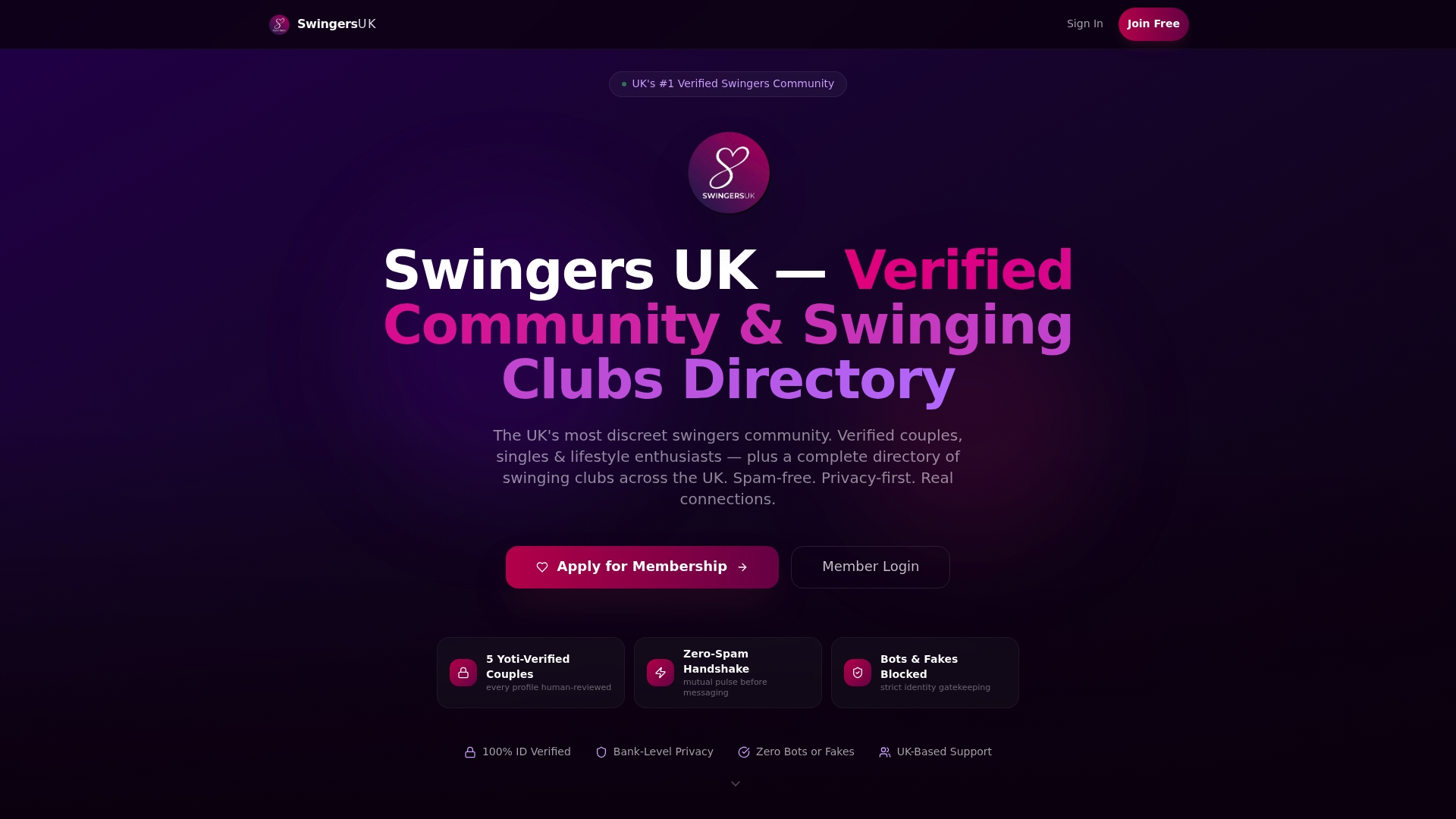
That same care extends to billing. We keep our payment process straightforward and our pricing page clear about what each tier includes, so you can check descriptor and payment details before you commit rather than guessing afterward. If you’re weighing a privacy-focused community with verified members and discreet account controls, visit Swingers UK to review membership options and see how verification and billing work together.
FAQ
Which dating app is most discreet?
Discretion depends more on a platform’s verification standards, privacy controls, and billing descriptor than on any single app’s reputation. Look for clear ID verification, mutual-consent messaging, and transparent statement descriptors rather than relying on marketing claims alone. We built our own verification and mutual-interest messaging with exactly this kind of discretion in mind.
What is the 333 rule in dating apps?
This isn’t a recognized industry standard or a term defined by any dating platform or regulator we can point to. If you’ve seen it referenced online, treat it as informal advice rather than an established rule, and focus instead on verified platform features and clear billing practices.
What dating site is best for discreet affairs?
We focus on connecting consenting adults, couples, singles, and LGBT+ members within the swinging and lifestyle community. For anyone evaluating discretion on any platform, the same checklist applies: verified identity, mutual-consent contact, and a clear billing descriptor before you subscribe.
Is there any dating app without payment?
Many platforms offer free tiers with limited features, such as browsing or basic messaging, while reserving full functionality for paid membership. We operate on a freemium model, so you can explore core community features before deciding whether a paid tier’s billing and privacy controls suit you.